Explore our top industrial & retail cosmetic brush designs engineered for international brands.
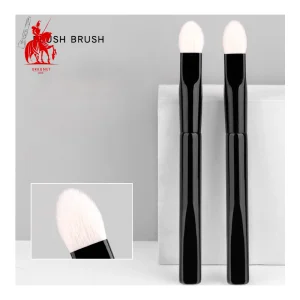
An overview of market capitalization, supply chain distribution, and production standards in the B2B beauty tools sector.
The global beauty tool and cosmetic applicator industry has experienced a significant paradigm shift over the past decade. No longer classified as mere peripheral accessories, custom brush designs have transitioned into core value-added tools that define consumer cosmetic experiences. According to recent B2B supply chain evaluations, the global cosmetic brush market is projected to grow substantially, driven by the rise of clean beauty formulations, vegan manufacturing demands, and the rapid growth of private-label e-commerce brands.
Within this ecosystem, specialized factories have shifted from low-cost mass production to high-precision engineering. Advanced custom brush design involves complex raw material sourcing, micro-filament extrusion, ergonomic handle chemistry, and high-frequency clamping technologies. Modern facilities must align their production processes with strict compliance frameworks, including EU REACH compliance, FDA guidelines, and global social compliance audits (such as BSCI and SMETA).
Transitioning from standard Nylon-66 to advanced PBT (Polybutylene Terephthalate) and bio-based PLA materials for superior powder pick-up and antimicrobial properties.
Utilizing double-crimp technology with marine-grade structural adhesives to guarantee pull-out strengths exceeding 15kgf, eliminating shedding issues completely.
Integrating FSC-certified woods, fast-growing Moso bamboo, and recycled aluminum (PCR) ferrules to align with global environmental mandates.
Examining the core manufacturing infrastructure, capacity systems, and quality control paradigms of a leading custom brush factory.
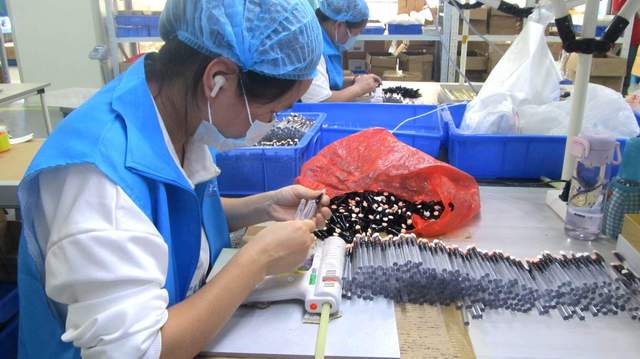
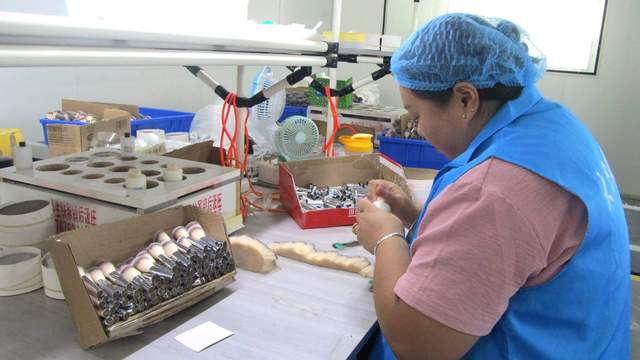
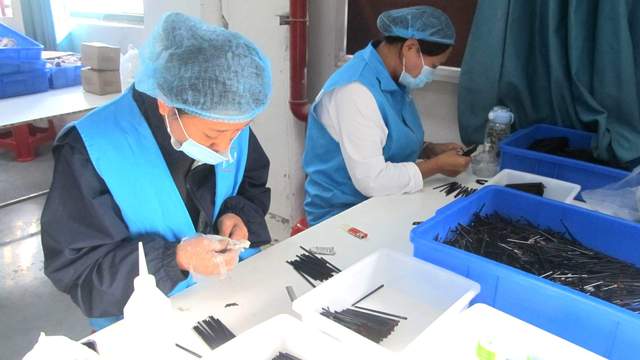
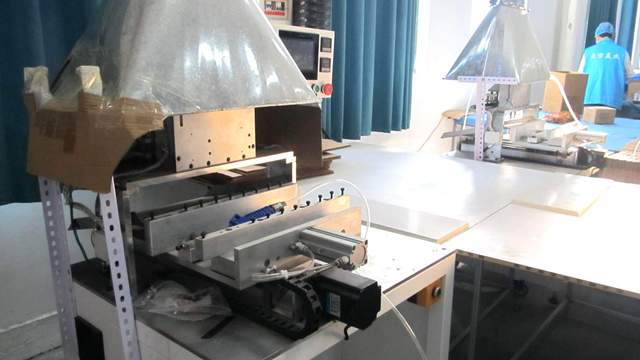
Founded in 2012, Guangzhou Exio Beauty Co., Ltd. serves as a key case study in modern beauty tool production. As a specialized manufacturer specializing in makeup brushes, cosmetic accessories, and private-label beauty tool solutions, the company demonstrates the transition of industrial structures to high-end ODM markets. Located in Guangzhou, China, Exio Beauty operates a modern production facility covering approximately 8,000 square meters and employs more than 180 skilled workers, including experienced product designers, quality inspectors, and manufacturing technicians.
The enterprise focuses its design and engineering capabilities on the development and production of professional makeup brushes, cosmetic brush sets, beauty sponges, powder puffs, applicators, travel beauty tools, and customized beauty accessories. They offer comprehensive OEM and ODM services, supporting beauty brands, wholesalers, distributors, retailers, and e-commerce businesses worldwide. Leveraging advanced brush assembly systems, strict material selection protocols, and standardized quality management, Exio Beauty maintains consistent quality throughout every stage of manufacturing.
Their design methodology involves sourcing high-performance synthetic fibers, vegan brush filaments, natural materials, aluminum ferrules, and ergonomic handles. The factory provides flexible customization options, including logo printing, handle materials, ferrule finishes, brush fiber selection, packaging design, and complete private-label development. Serving clients across North America, Europe, Oceania, Southeast Asia, and the Middle East, Exio Beauty continuously invests in product innovation, manufacturing efficiency, and sustainable production practices.
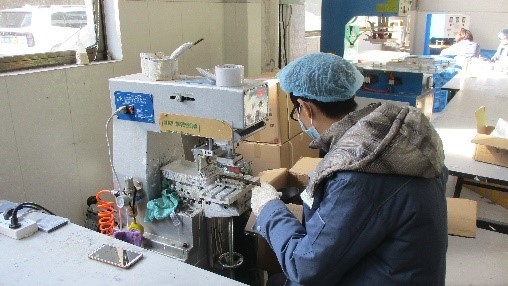
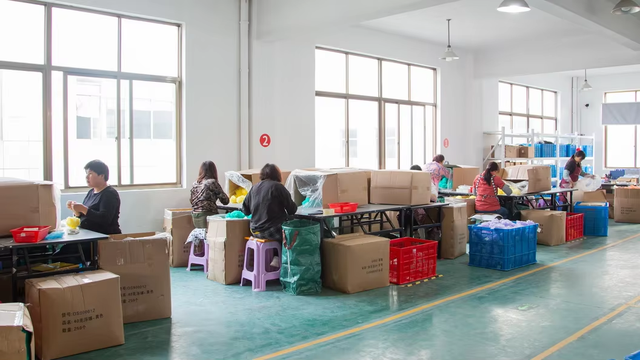

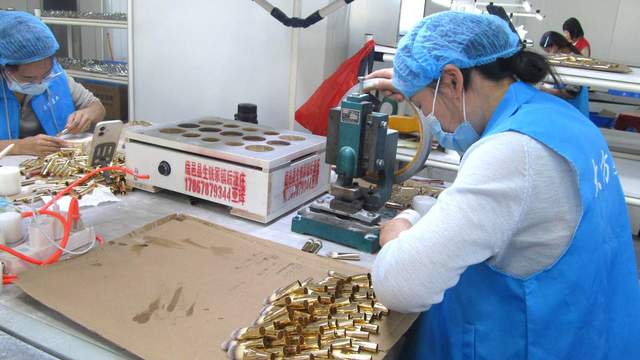

Strategic analysis of the evolving design paradigms, customer requirements, and materials science trends.
The custom brush design sector is moving rapidly towards sustainable luxury. Historically, synthetic fibers were considered inferior to natural hair (such as goat, pony, or sable hair) because they lacked cuticles, which are essential for grabbing and evenly releasing powder formulations. However, through structural engineering, manufacturers have introduced micro-textured synthetic fibers. These advanced polymers mimic the natural irregularities of animal hair while maintaining their shape, resisting shedding, and staying clean longer due to non-porous surface coatings.
Below is an analysis of the primary drivers shaping custom brush designs through 2030:
Global regulations limiting single-use plastics and non-recyclable consumer goods have put pressure on B2B cosmetic supply chains. Leading factories are shifting from virgin ABS and acrylic handles to post-consumer recycled (PCR) plastics, aluminum, and bio-composites. Fast-growing bamboo, wheat straw composites, and FSC-certified birch wood are now standard in high-end product lines. The focus is also shifting to water-based, solvent-free lacquers that prevent toxic off-gassing during curing.
The rising popularity of complex, multi-step cosmetic routines (such as baking, highlighting, and contouring) has increased demand for specialized brush shapes. Modern CAD systems allow designers to model weight distribution, center-of-gravity shifts, and ferrule angle orientations. Brushes are no longer uniform; they are designed with specific weight ratios to reduce hand fatigue for professional makeup artists, while dual-ended designs offer convenience for travel-oriented consumer lines.
Tailoring cosmetic tool manufacturing to the specific regulatory, functional, and consumer preferences of regional global markets.
Custom brush requirements vary significantly by market. A product designed for North American consumers may face challenges in East Asia due to differences in skin types, cosmetic formulations, and beauty standards. Successful global brands rely on localized OEM/ODM designs to address these regional nuances.
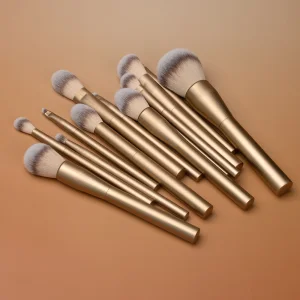
Requires PETA-certified cruelty-free materials, hypoallergenic synthetics, and minimal waste packaging. Products like the New Design Golden Metal Vegan Private Label Makeup Brush Set are highly favored due to their premium metal construction and animal-free materials.
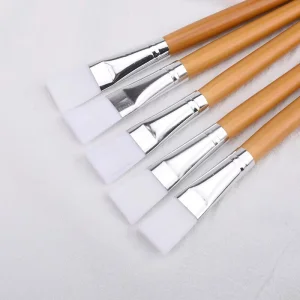
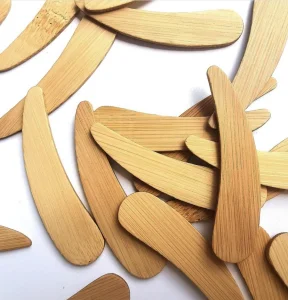
Requires adherence to strict REACH chemical standards and plastic packaging regulations. Products built on FSC wood handles and natural components, such as the Eco Friendly Bamboo Beauty Face Mask Brush, perform well in these sustainability-focused markets.
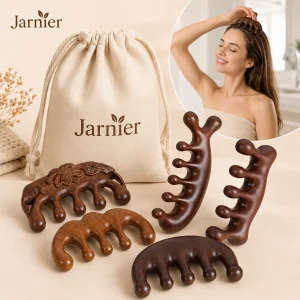
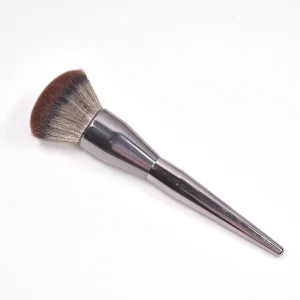
Focuses on detail-oriented application, skin barrier protection, and compact formats. Demand centers on ultra-soft, high-density face powder brushes and specialized tools like scalp massage combs and micro-applicators.
Inside the engineering processes of contemporary B2B brush manufacturing facilities.
To scale a beauty brand, understanding the steps involved in custom brush manufacturing is essential. Below is the technical roadmap followed by modern factories like Guangzhou Exio Beauty Co., Ltd.:
The process starts with choosing the right fiber chemistry. Engineers define the filament length, crimping ratio (which adds wave-like texture to help pick up powder), and tip diameter. CAD systems model the ferrule's inner dimensions to calculate the exact weight of fiber needed to prevent hair shedding.
Fibers are combed through mechanical vibrators to align the tips. In manual or semi-automated processes, workers place the bundles into metal molding cups. This shapes the brush head without requiring trimming, preserving the fine tips of the synthetic filaments for a softer feel on the skin.
The shaped bundle is secured with polyurethane or epoxy resins. The ferrule—typically made of anodized aluminum or brass—is then placed over the bundle. A double-clamping process applies pressure from multiple directions, ensuring the assembly remains secure throughout the product's lifespan.
Handles made of wood, bamboo, or metal are connected using industrial adhesives and reinforced with locating pins. Finished brushes undergo tension testing to ensure they can withstand pulling forces, followed by washing, sterilization, and branding (via hot stamping, laser engraving, or pad printing).
Operational frameworks to help brands optimize lead times, reduce costs, and scale production.
B2B beauty brands often face challenges such as high minimum order quantities (MOQs), variable quality across batches, and logistical delays. Standardized supply chain strategies can help mitigate these risks:
Brands can reduce production times and setup costs by using standardized ferrules and handles while customizing the fiber blends, color combinations, and logo details. This approach allows brands to offer unique products while keeping manufacturing efficient.
Partnering with manufacturers like Guangzhou Exio Beauty, who operate facilities with large-scale production capacities (8,000+ sqm), allows brands to keep safety stock of semi-finished materials. This helps shorten replenishment cycles from the typical 45 days down to 15 days during high-demand seasons.
Answers to key questions from B2B sourcing agents, brand managers, and product developers.
Explore our full line of eco-friendly beauty tools, synthetic applicators, and industrial manufacturing machinery.
 Exio Beauty