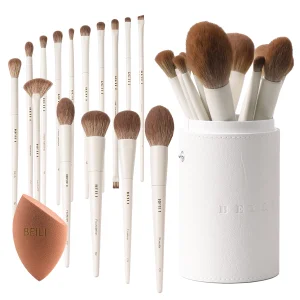
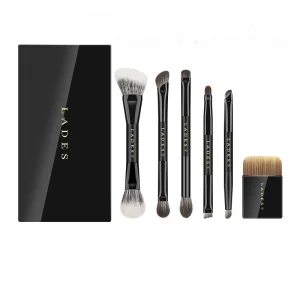
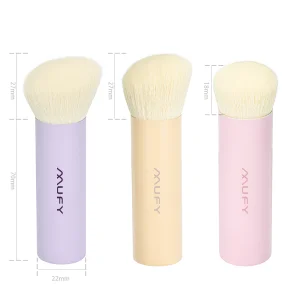
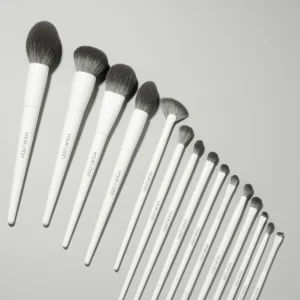
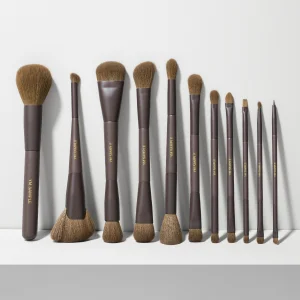
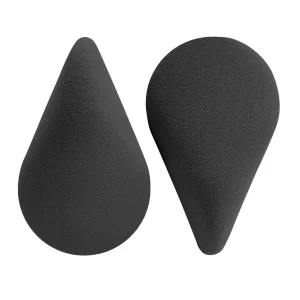
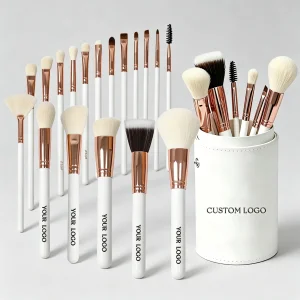
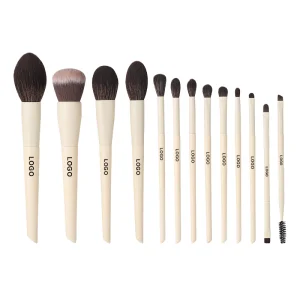
The global cosmetics industry is experiencing a profound paradigm shift driven by clean beauty initiatives, ethical manufacturing standards, and the rapid rise of indie and digital-native brands. In this competitive landscape, OEM makeup brush manufacturing has transitioned from simple physical assembly to high-precision material science and engineering. Modern brand managers, sourcing executives, and product developers no longer evaluate manufacturers solely based on piece price; they seek strategic partners capable of offering substantial design ingenuity, robust regulatory compliance, and rapid prototyping capabilities.
This industry whitepaper explores the technological underpinnings, global supply chain dynamics, and localized customization scenarios that define top-tier OEM makeup brush production. Through a thorough analysis of materials, automated production workflows, and sustainability parameters, we examine how leading manufacturer Guangzhou Exio Beauty Co., Ltd. leverages its 8,000-square-meter facility and extensive engineering expertise to satisfy the rigorous technical requirements of brands across North America, Europe, the Middle East, and beyond.
The makeup brush market is projected to expand significantly, driven by shifting consumer dynamics and advancements in fiber technology. A thorough review of modern procurement data reveals several critical trends that dominate current OEM requirements:
The phasing out of animal hair due to ethical mandates has forced factories to engineer synthetic fibers that mimic natural cuticles. Modified nylon and corn silk synthetic hair now match the powder-grabbing performance of premium goat and blue squirrel fibers.
Ergonomics and aesthetic differentiation are key. Resin handles, certified FSC wood handles, and bio-plastics are selected not just for beauty, but for balance, weight distribution, and comfortable use.
Modern brands demand water-based non-toxic paints and low-VOC epoxies. Standardizing these elements ensures global conformity to REACH regulations and California Proposition 65.
For international cosmetic buyers, the strength of the manufacturing ecosystem in China lies in the integration of its supply chain. Located in Guangzhou, a global beauty industry hub, Guangzhou Exio Beauty Co., Ltd. exemplifies the efficiency of China's "Factory 4.0" development model.
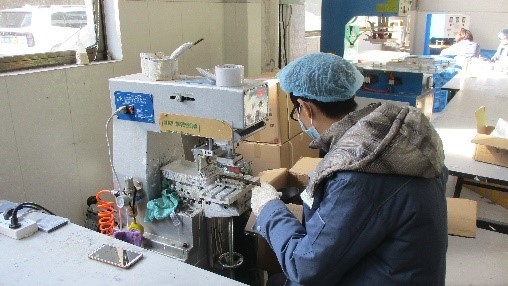
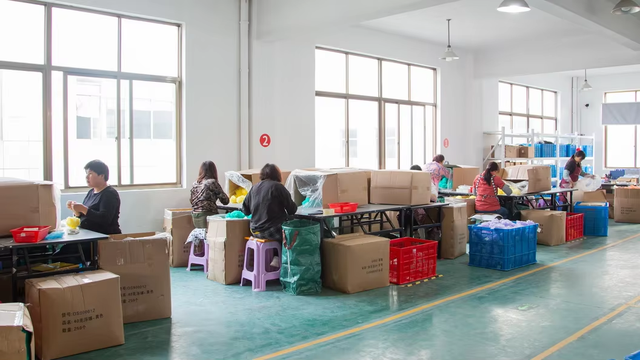
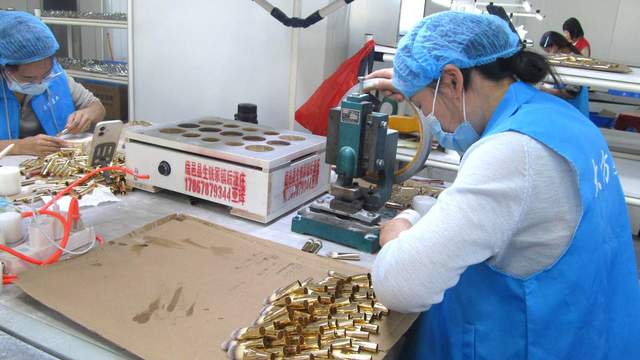
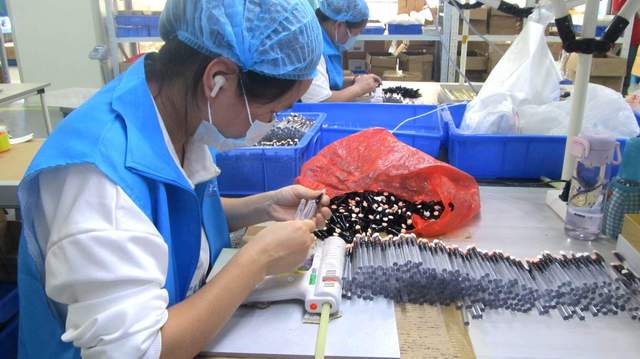
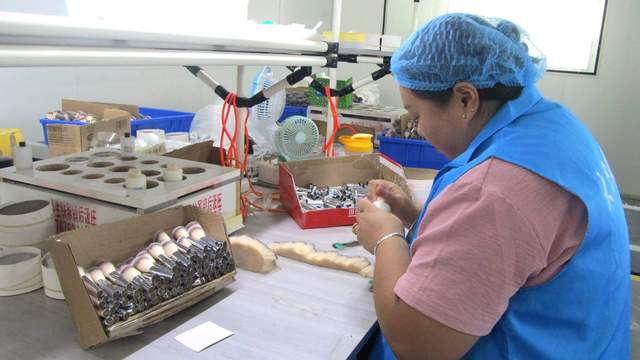
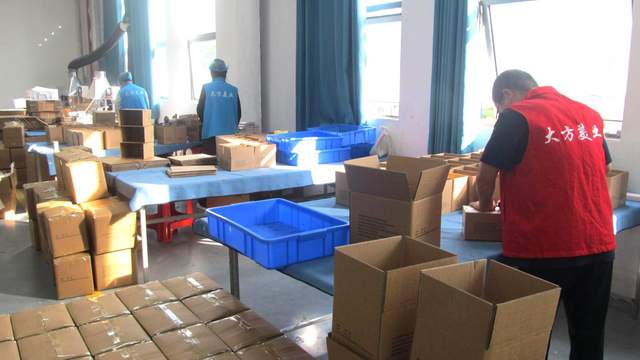
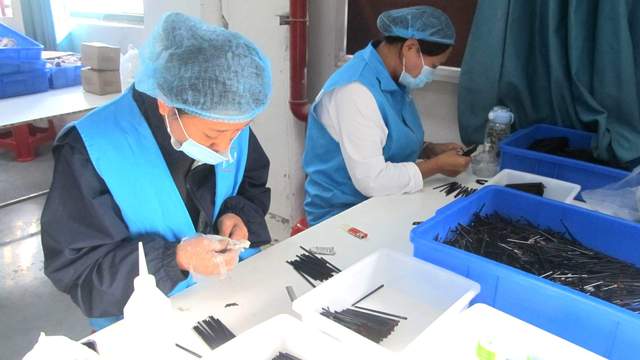
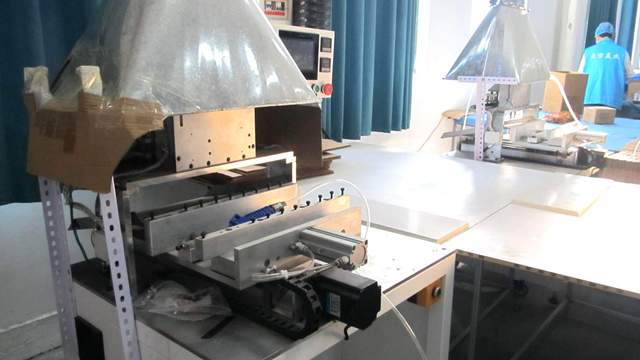
Operating an extensive 8,000-square-meter facility, Exio Beauty utilizes structured material workflows and quality inspection processes. This reduces reliance on fragmented sub-vendors by consolidating raw filament processing, ferrule pressing, custom handle molding, and final packing into a single, cohesive manufacturing flow.
This level of vertical integration directly resolves key supply chain vulnerabilities:

B2B sourcing professionals face complex decisions when selecting a cosmetic manufacturing partner. To minimize risks, procurement frameworks must evaluate several performance-critical categories:
The shift toward vegan formulations is a structural reality. Quality control inspectors verify that synthetic fiber shipments match technical specification sheets. Key certifications required by top-tier beauty brands include:
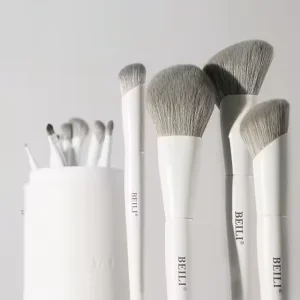
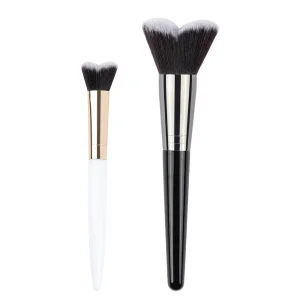
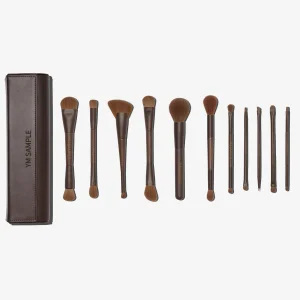
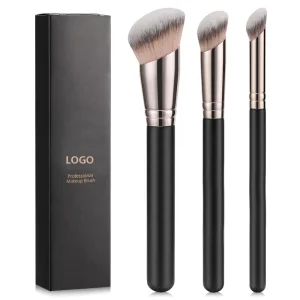
A professional makeup brush is an assembly of three components: the fiber, the ferrule, and the handle. Sourcing managers must define precise parameters for each:
Consumer preferences vary by region, and a competent OEM manufacturer must adapt product designs accordingly:
 Exio Beauty