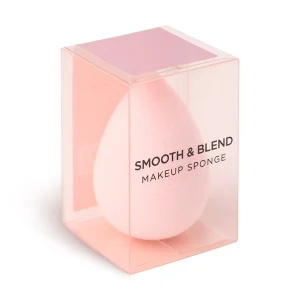
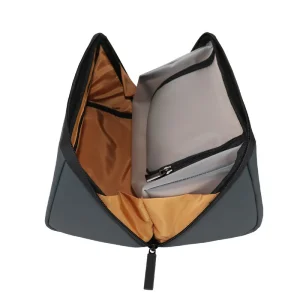
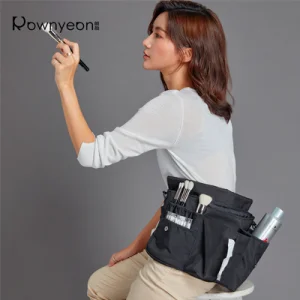
High-precision brush components, premium storage solutions, and beauty applicators engineered for professional brand portfolios.
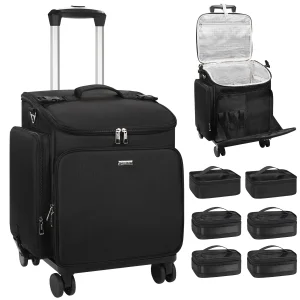
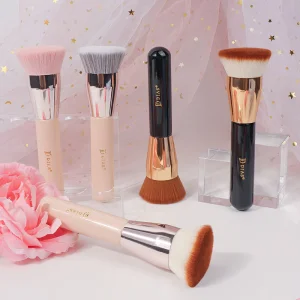
Establishing the gold standard in premium artisan cosmetic tool manufacturing.
Founded in 2012, Guangzhou Exio Beauty Co., Ltd. is a professional manufacturer specializing in makeup brushes, cosmetic accessories, and private-label beauty tool solutions. Located in the prominent manufacturing hub of Guangzhou, China, the company operates a modern production facility covering approximately 8,000 square meters and employs more than 180 skilled workers, including experienced product designers, quality inspectors, and manufacturing technicians.
Exio Beauty focuses on the development and production of professional makeup brushes, cosmetic brush sets, beauty sponges, powder puffs, applicators, travel beauty tools, and customized beauty accessories. The company offers comprehensive OEM and ODM services, supporting beauty brands, wholesalers, distributors, retailers, and e-commerce businesses worldwide.
With advanced brush assembly equipment, strict material selection procedures, and standardized quality management systems, Exio Beauty maintains consistent production quality throughout every stage of manufacturing. The company carefully sources synthetic fibers, vegan brush filaments, natural materials, aluminum ferrules, and ergonomic handles to meet diverse market requirements and evolving consumer preferences.
The factory provides flexible customization options, including logo printing, handle materials, ferrule finishes, brush fiber selection, packaging design, and complete private-label development. Its experienced engineering and design teams work closely with customers to transform product concepts into market-ready solutions.
Serving clients across North America, Europe, Oceania, Southeast Asia, and the Middle East, Exio Beauty continuously invests in product innovation, manufacturing efficiency, and sustainable production practices. The company remains committed to delivering reliable cosmetic brush manufacturing services, responsive customer support, and long-term partnership opportunities for global beauty brands seeking high-quality beauty tool solutions from China. Today, Guangzhou Exio Beauty Co., Ltd. continues to expand its international presence as a trusted partner in the professional beauty accessories manufacturing industry.
Why the global cosmetics industry relies on China's precision manufacturing clusters.
The global beauty market demands an intricate balance between scale, technological advancement, and human craftsmanship. In the niche of artisan makeup brushes, China has built an unparalleled ecosystem that integrates centuries-old brush-making traditions with state-of-the-art synthetic materials engineering. Guangzhou, as a primary hub, leverages this localized ecosystem to offer global brands superior product outcomes.
Unlike basic commodity production, high-end cosmetic brushes cannot be entirely automated. The critical "cup-shaping" stage—where raw fibers are combed, measured, and positioned in a metal mold to form the perfect dome, taper, or angle—requires artisans with years of tactile training. Chinese manufacturers retain legacy master craftsmen who supervise production lines, ensuring that every brush head possesses the correct density, flexibility, and powder-retention capacity.
Guangzhou's cosmetic manufacturing corridor hosts all primary supply chain elements within a 50-mile radius. This includes high-grade copper and aluminum extrusion facilities for ferrules, sustainable timber and acrylic turning operations for handles, premium synthetic fiber laboratories, and specialized B2B packaging designers. This high concentration reduces material transport times, eliminates transit damage risks, and allows rapid prototype iteration.
As the international beauty market shifts away from animal hair due to ethical and hygienic concerns, Chinese factories are leading the development of advanced synthetic filaments. Modern synthetics mimic the scale-like surface texture of natural hair to pick up and deposit powder efficiently. High-grade BPT and PBT synthetic fibers are engineered with varied wave structures to optimize product release, creating durable, hypoallergenic, and cruelty-free alternatives.
Sourcing and synthesizing engineered filaments with specific elasticity indexes and surface profiles for powder, cream, and liquid cosmetic formulations.
Rapid physical CAD modeling of custom handles and virtual rendering configurations reduce design iteration timelines from months to days.
Multi-phase quality checks, including pull-force tests, sanitization processes, and ferrule alignment verification to prevent bristle shedding.
A technical blueprint of high-performance B2B cosmetic brush configurations.
For procurement managers, understanding the material science behind each cosmetic brush component is vital for specifying product lines that align with brand positioning and consumer expectations. A high-quality makeup brush comprises three primary structural components:
The choice of fiber dictates the brush's application performance and skin feel. Standard options include:
The metal component connecting the bristles to the handle must resist corrosion and mechanical deformation:
Ergonomics and durability define handle engineering:
Navigating certifications, supply chain audits, and quality control protocols for import compliance.
Global brands importing cosmetic tools must ensure that products meet stringent regulatory compliance frameworks in destinations such as the European Union (REACH), North America (FDA regulations, Prop 65), and other regions. Top Chinese factories like Guangzhou Exio Beauty utilize structured compliance workflows to ensure seamless international trade:
B2B Compliance Checklist for Procurement Officers:
A key aspect of supply chain security is the tracking of material batches. From the arrival of synthetic fibers to the dispatch of finished brush sets, each manufacturing step is documented in an ERP system. This traceability ensures that if any performance anomaly occurs, the exact batch of raw fiber, glue, or ferrule plating can be isolated and evaluated.
Analyzing future market shifts: automation, circular design, and clean beauty tools.
The beauty tools sector is undergoing significant evolution driven by digital channels and shifting consumer demographics. High-performance factories are adopting technical solutions to stay competitive:
Consumer hygiene awareness has accelerated the demand for brushes that inhibit bacterial growth. Top suppliers infuse synthetic fibers with silver ions or zinc pyrithione during the extrusion process. This built-in antimicrobial barrier protects the skin, prevents odors, and maintains fiber integrity over extended usage cycles.
Regulatory pressures on single-use plastics and non-recyclable items are prompting brands to select biodegradable handles and cornstarch-based packaging. Guangzhou Exio Beauty offers handles made from PLA (Polylactic Acid) and natural bamboo, coupled with compostable EVA or kraft paper packaging options to align with circular economic goals.
Modern DTC (Direct-to-Consumer) brands require fast product rotation and unique aesthetics. Advanced factories offer automated laser engraving, multi-color UV printing, and custom color matching (Pantone) for small batch runs, allowing emerging beauty labels to compete with established cosmetic houses.
How distinct commercial channels utilize customized makeup tools to optimize user experiences.
Requires durable brushes that withstand frequent chemical disinfection and washing cycles while maintaining soft fiber tips for client comfort.
Focuses on aesthetic design, trending color schemes, and packaging. Requires flexible MOQ configurations to scale production alongside market demand.
Developing custom-molded brushes tailored for specific powder formulas to optimize application results during new cosmetics rollouts.
Answers to technical questions from global B2B buyers and sourcing managers.
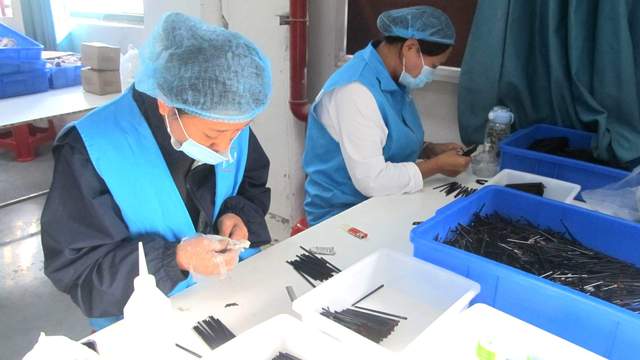
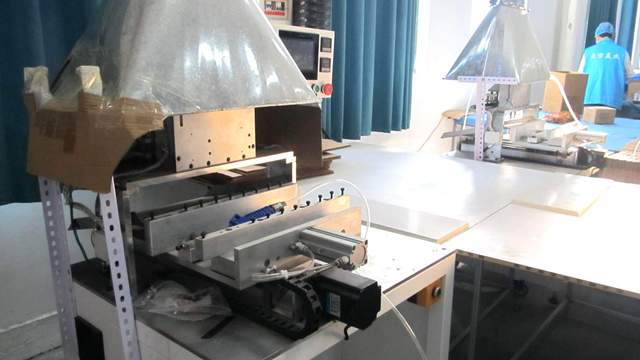
Transparent insight into our production floors, design rooms, and raw material warehouses.
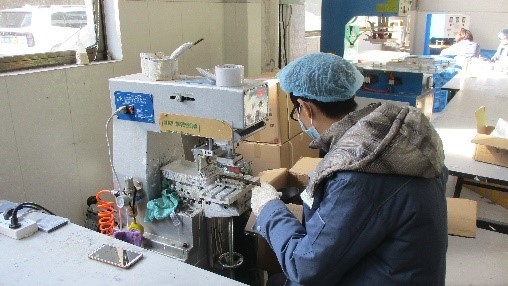
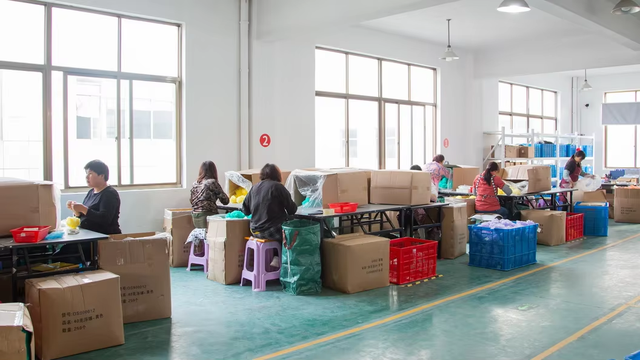
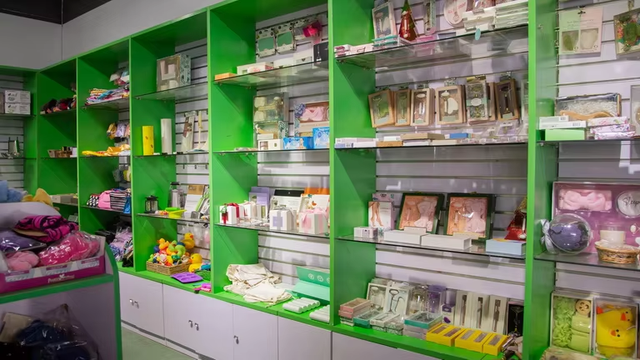
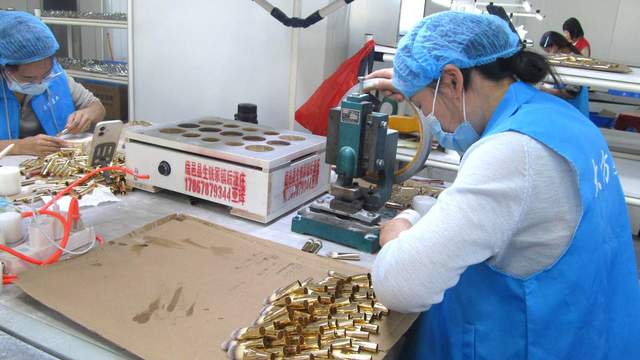
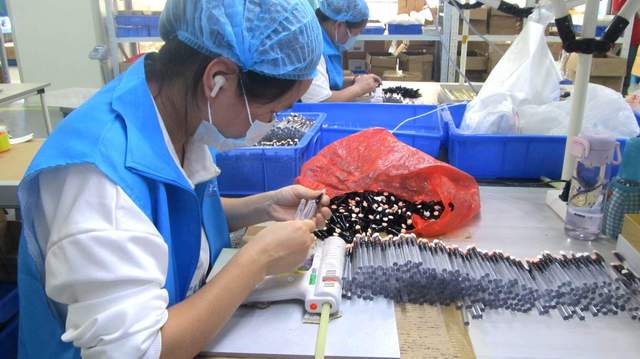
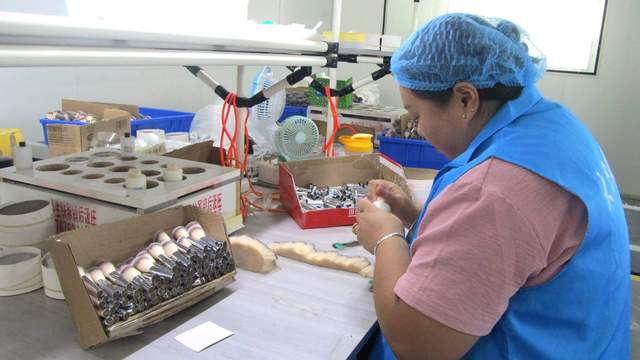
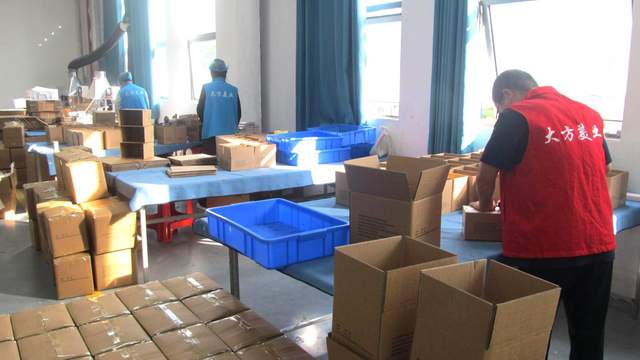
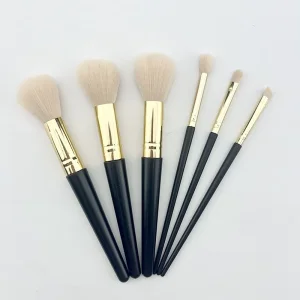
Explore our industrial component solutions, packaging, and custom-configured manufacturing machinery.
 Exio Beauty