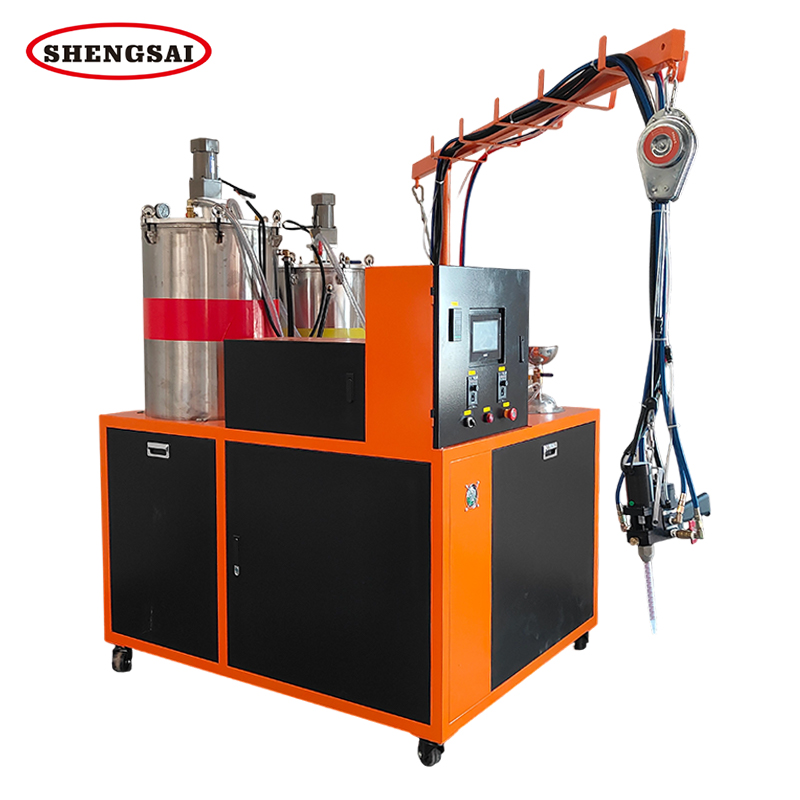
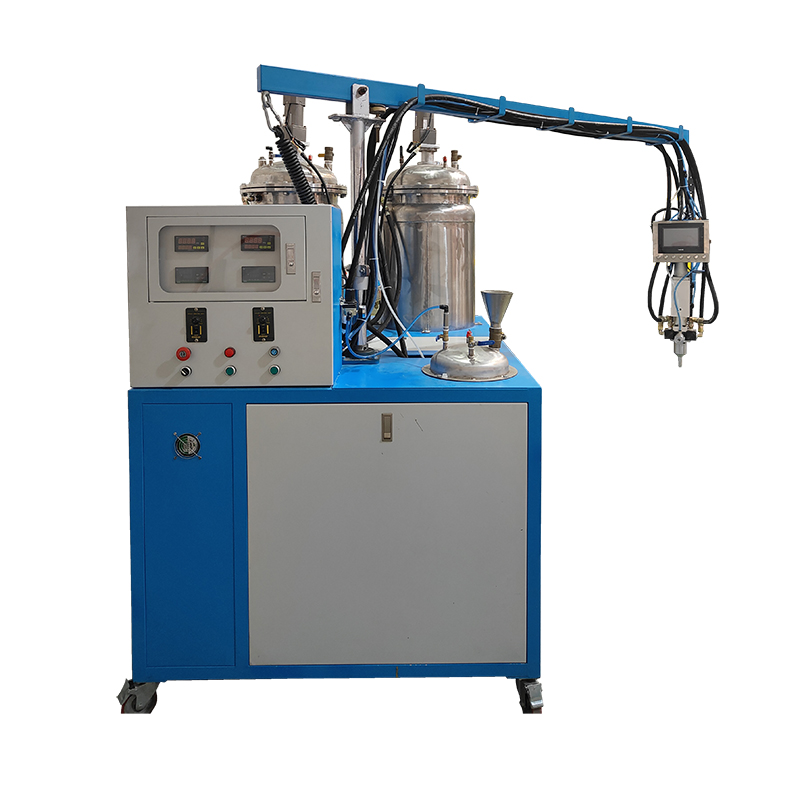
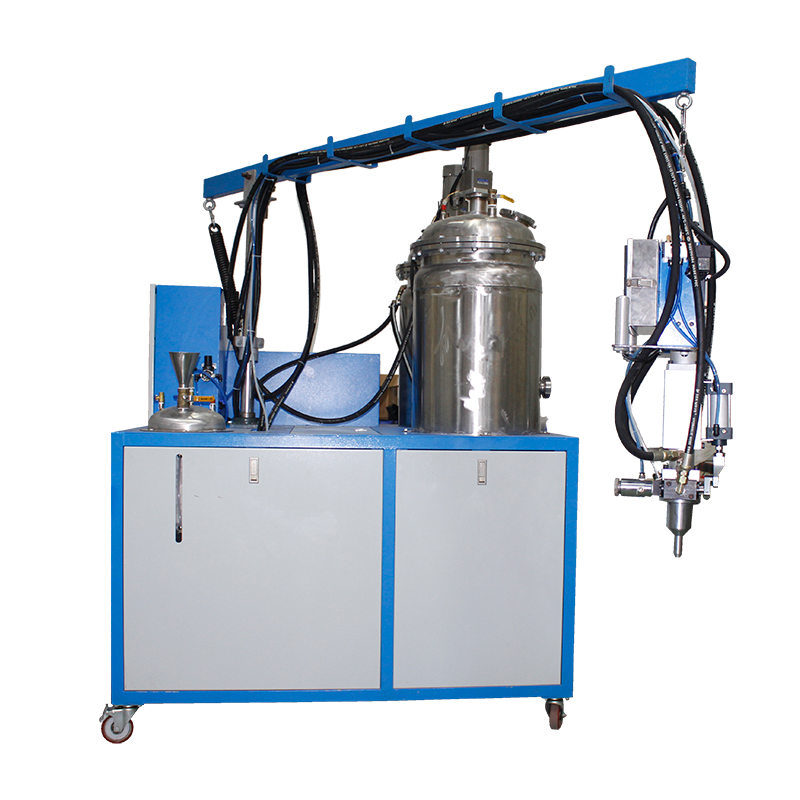
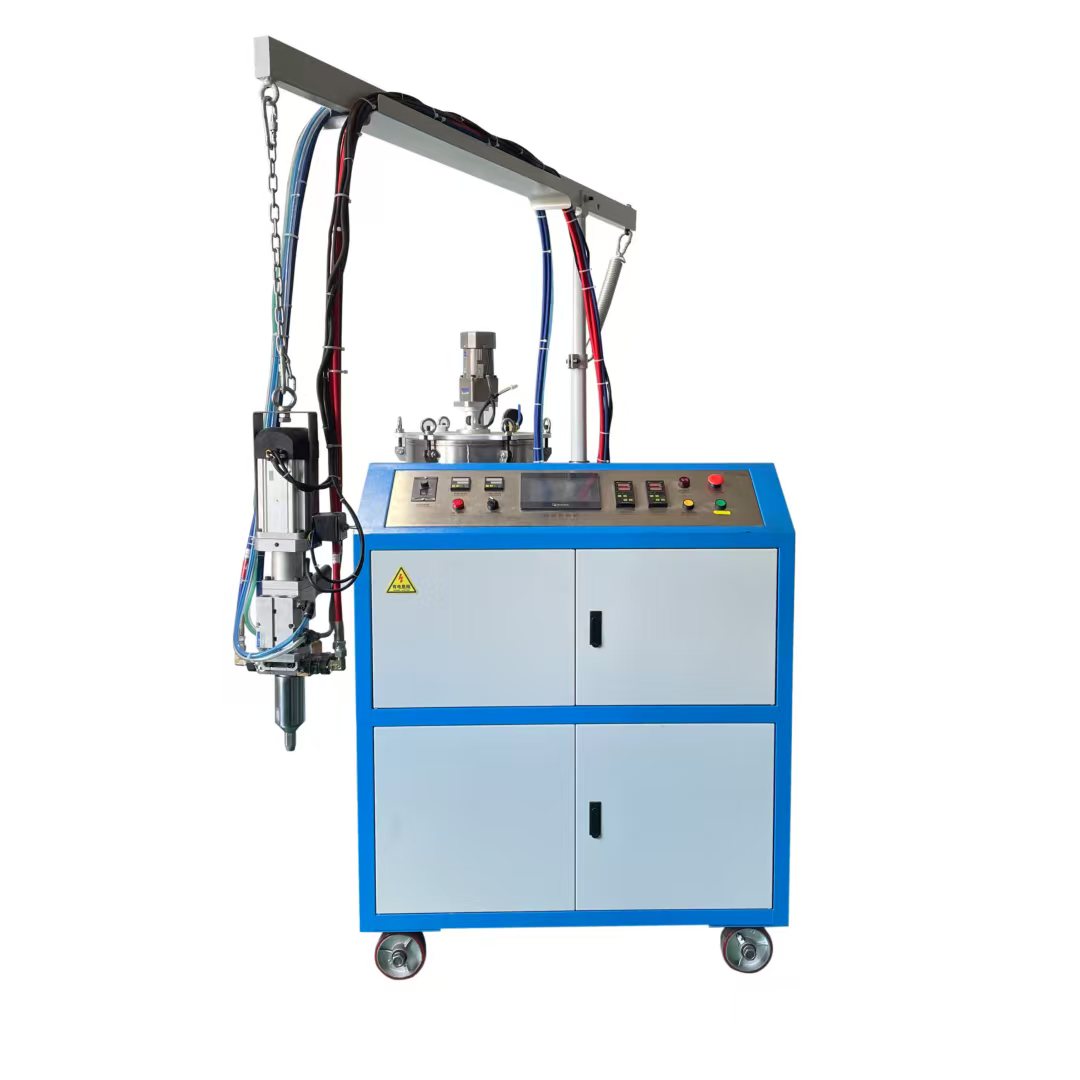
Q:Are you a factory or trading company?
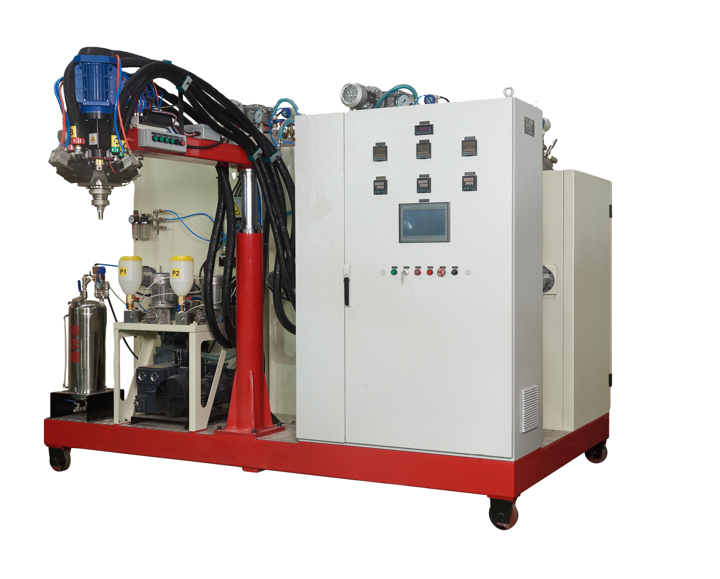
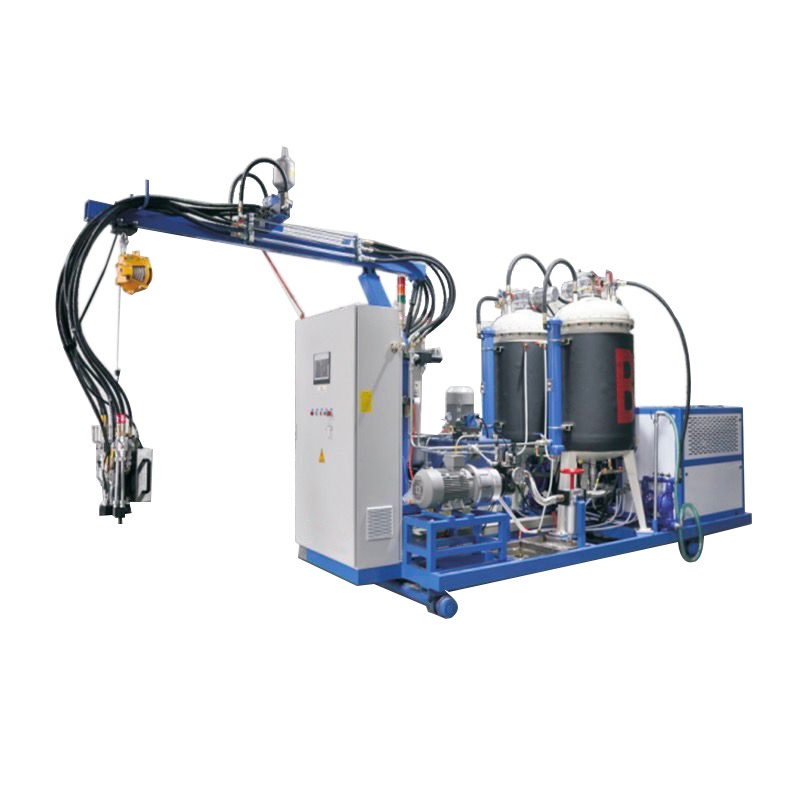
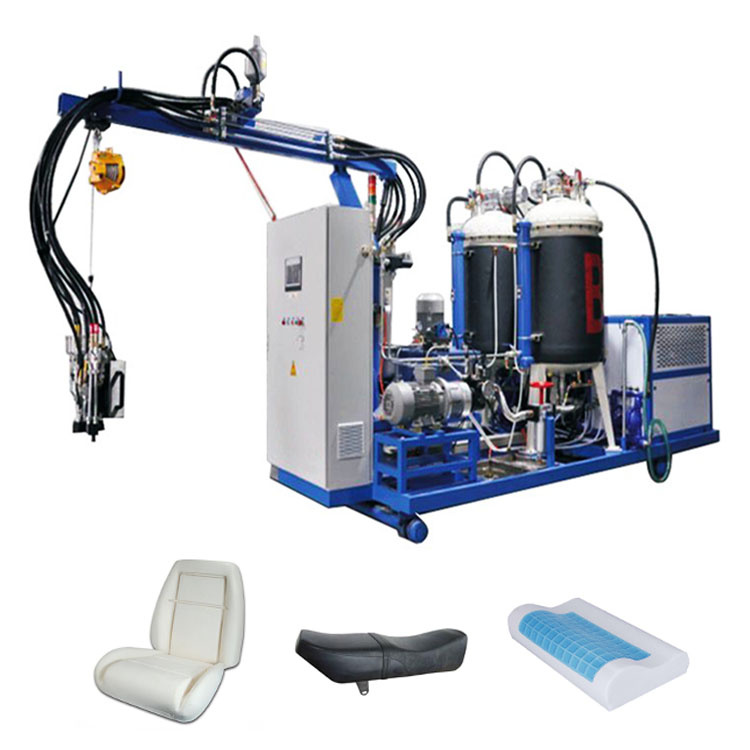
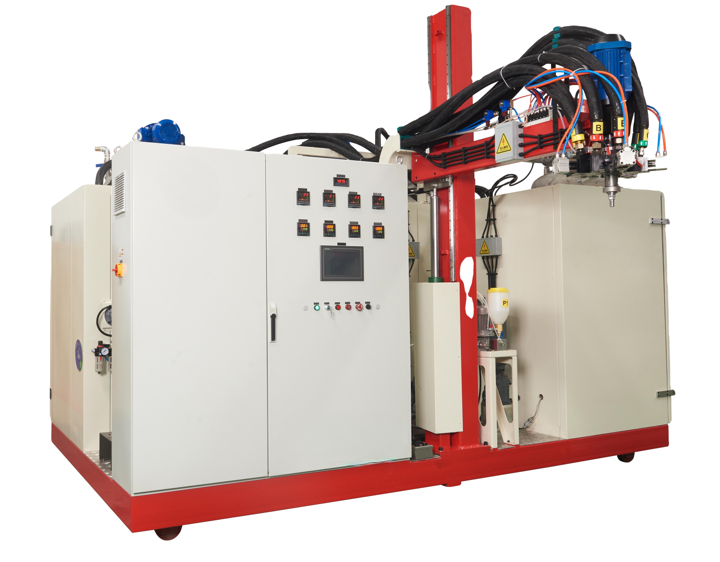
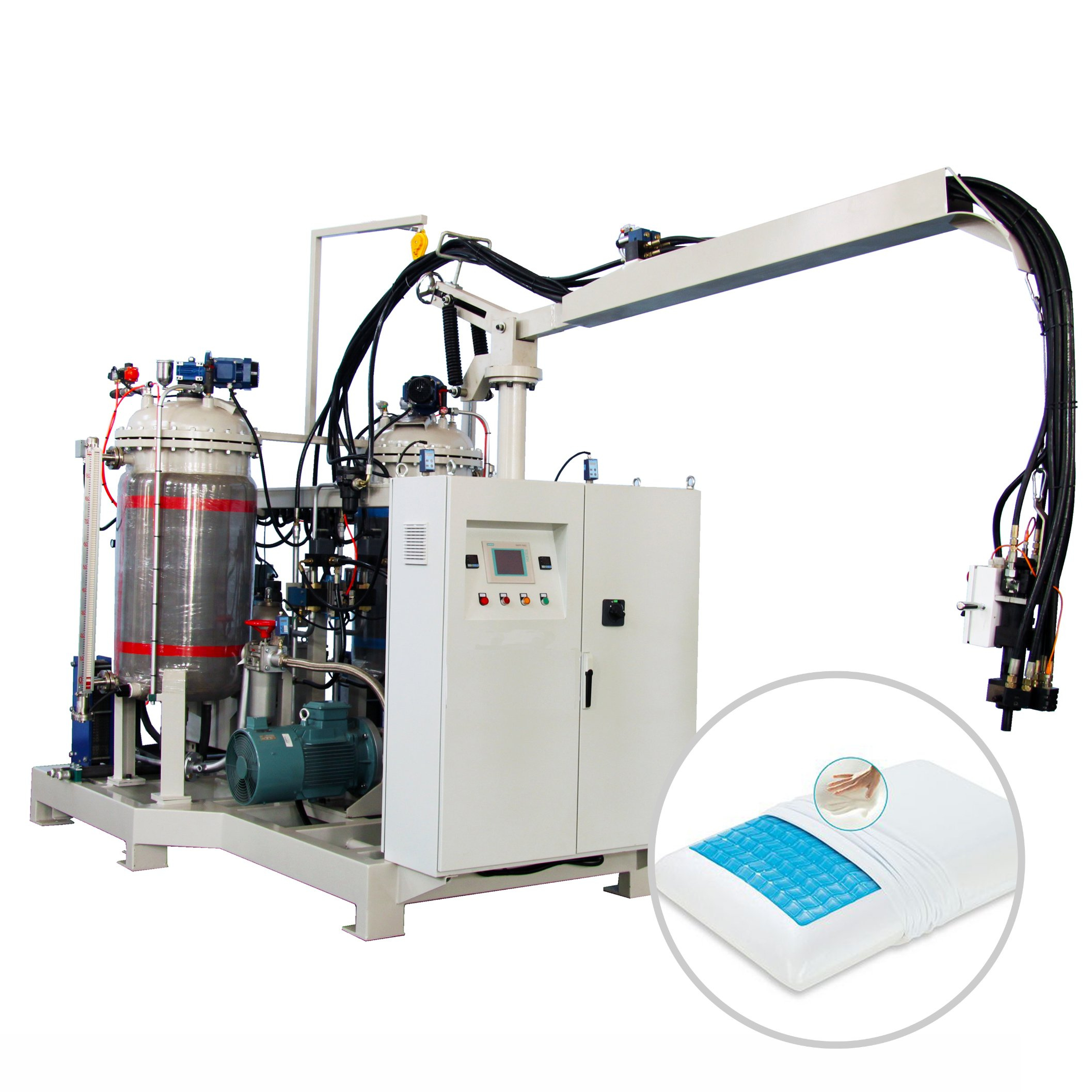
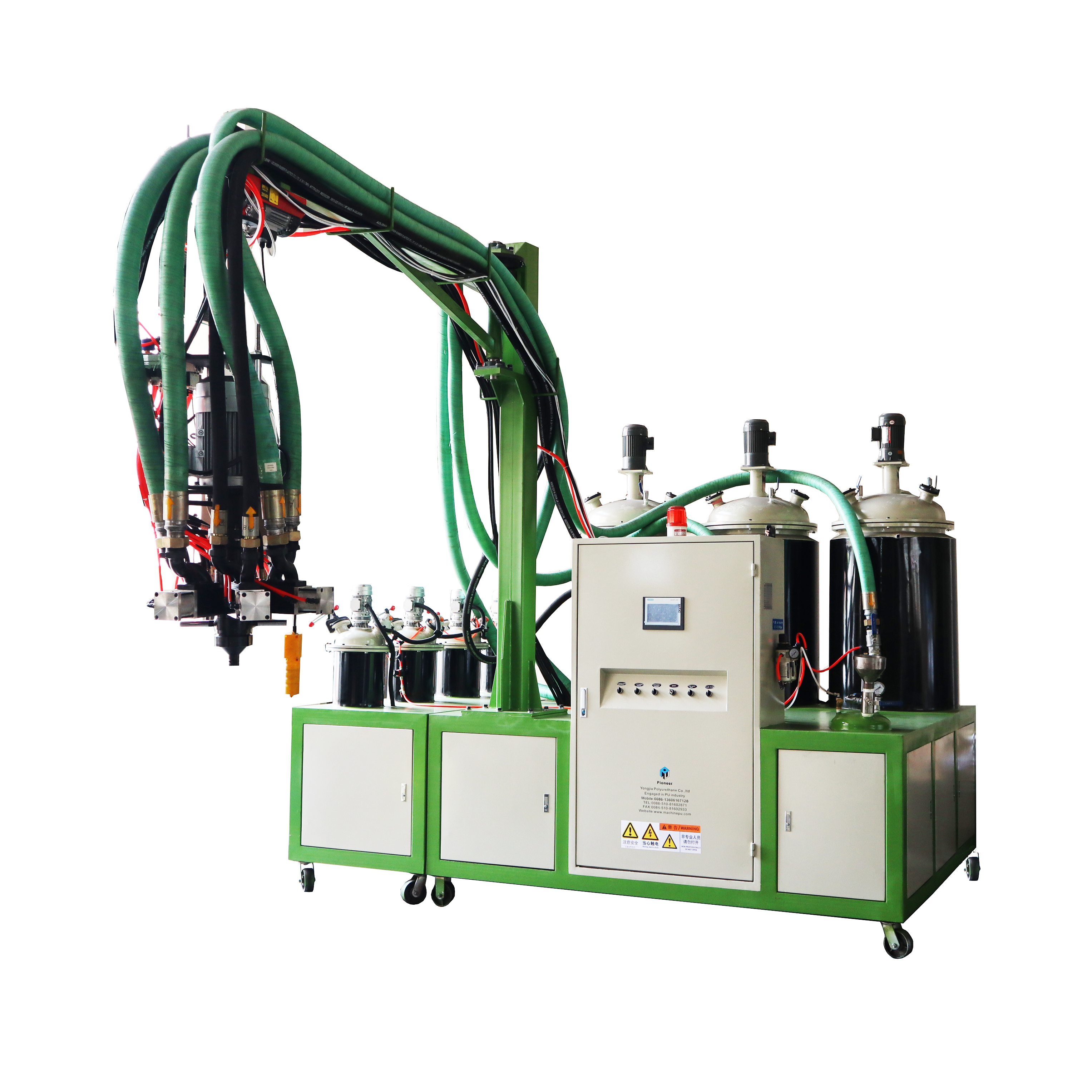
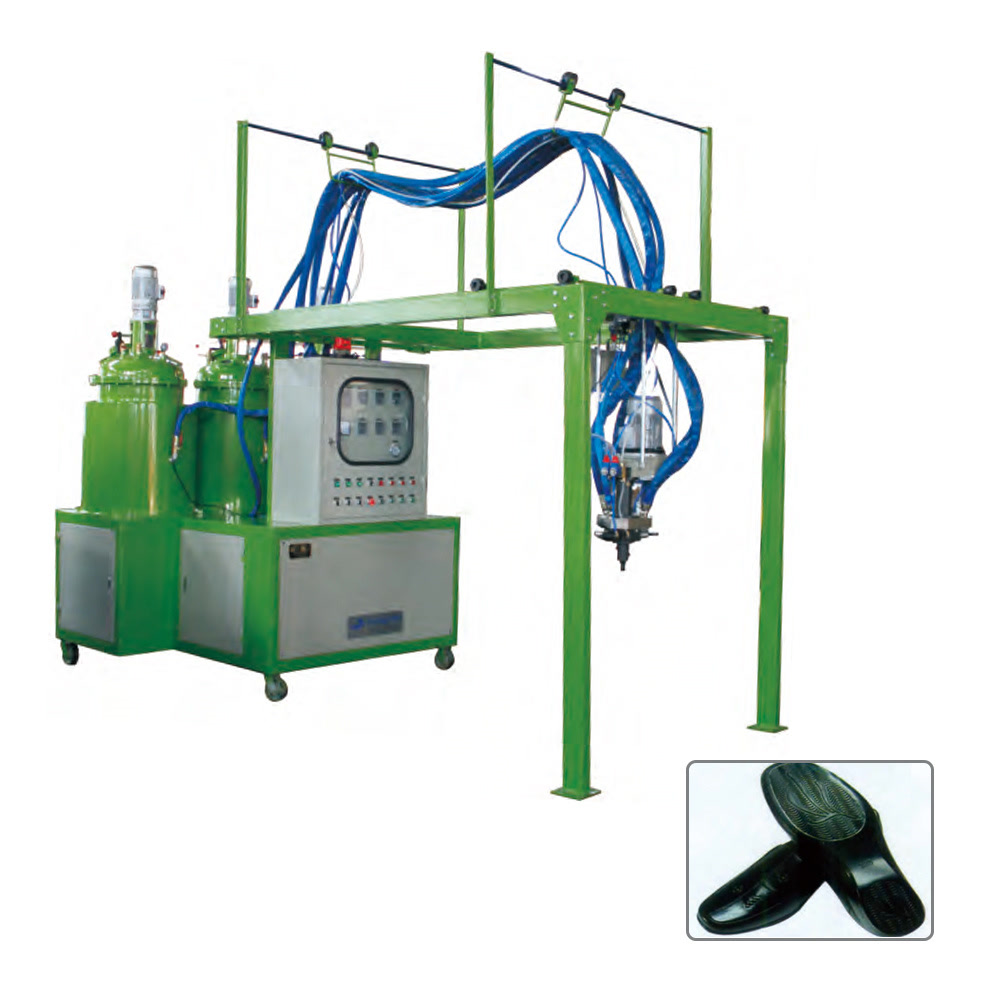
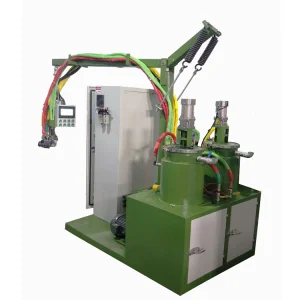
We are a professional factory in the PU industry with more than 10 years of experience, specializing in high pressure pouring machines, low pressure foaming machines, PU spraying foam machines, PU elastomer casting machines, and production lines.
Q:What PU raw materials can be used with this polyurethane/polyurea foam casting machine?
Polyurethane which has two components polyol and isocyanate (poly and iso/mdi). Polyurea also can be used which helps with waterproofing, anticorrosion, and rust prevention. Polyurethane can be divided into two kinds: flexible foam and rigid foam. Both flexible and rigid foams can be either open cell or closed cell.
Q:Can you provide a special PU raw material formula solution based on my product requirements?
Yes, we can. We have a technical team of chemical engineers and process engineers, all of whom have more than 20 years of experience in the PU industry. We can independently develop raw material solutions like polyurethane rigid foam, polyurethane flexible foam, polyurethane integral skin foam, and polyurea to meet specific requirements.
Q:What are the main applications of this PU foaming machine?
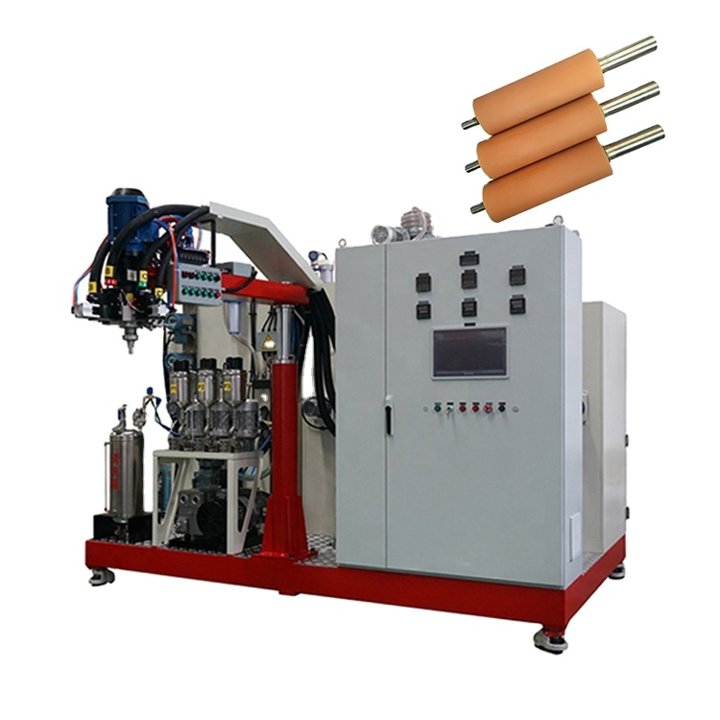
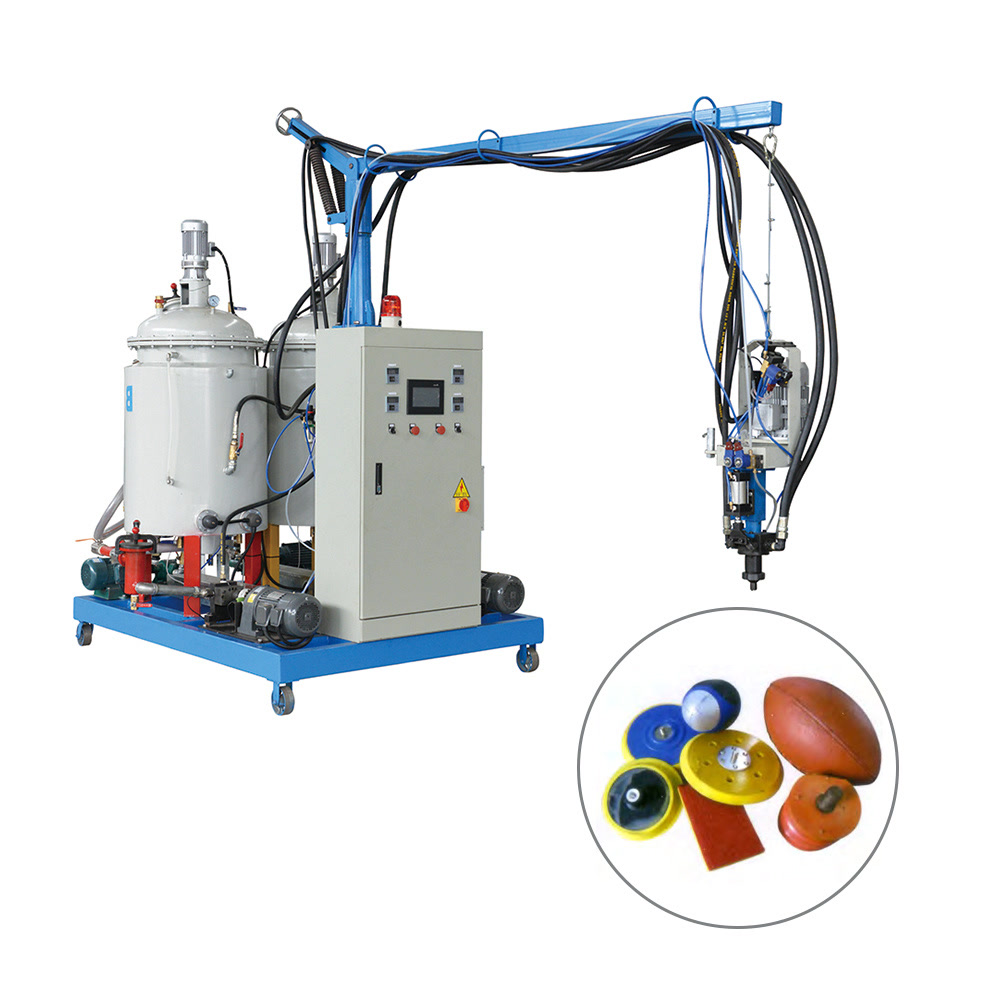
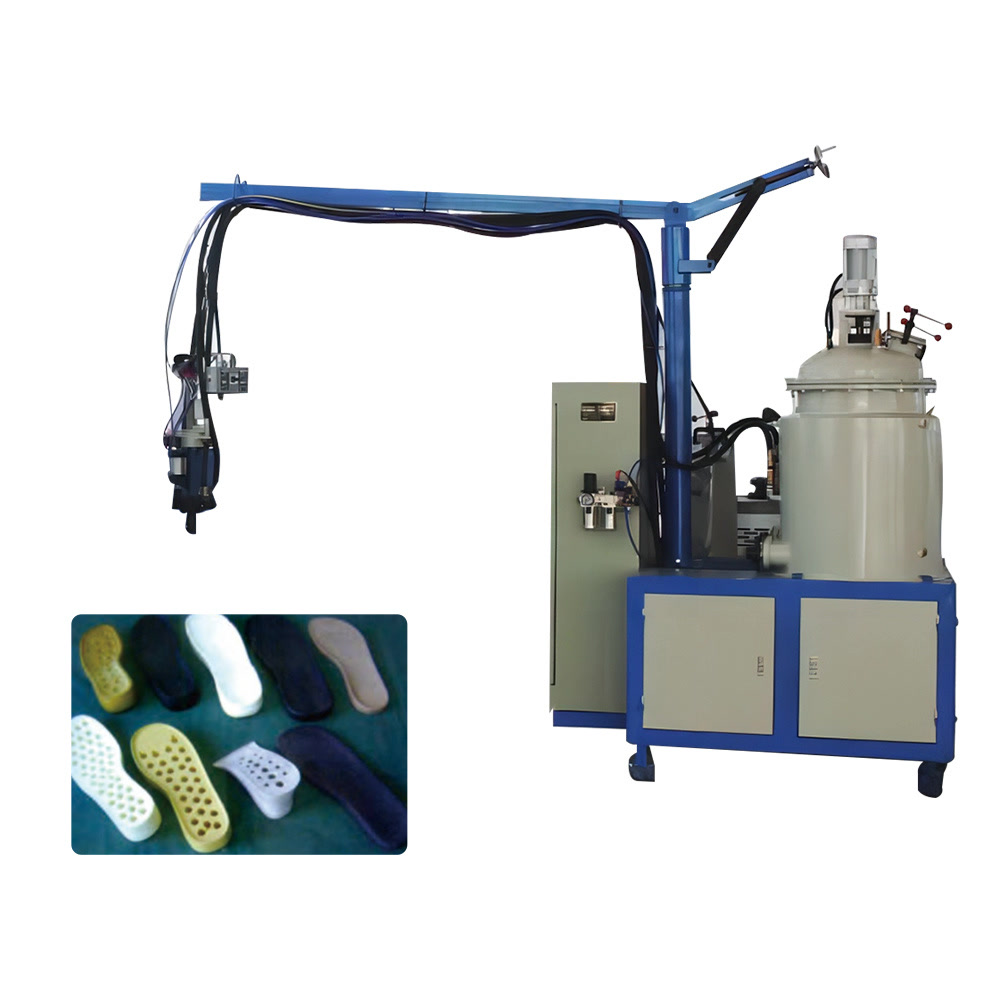
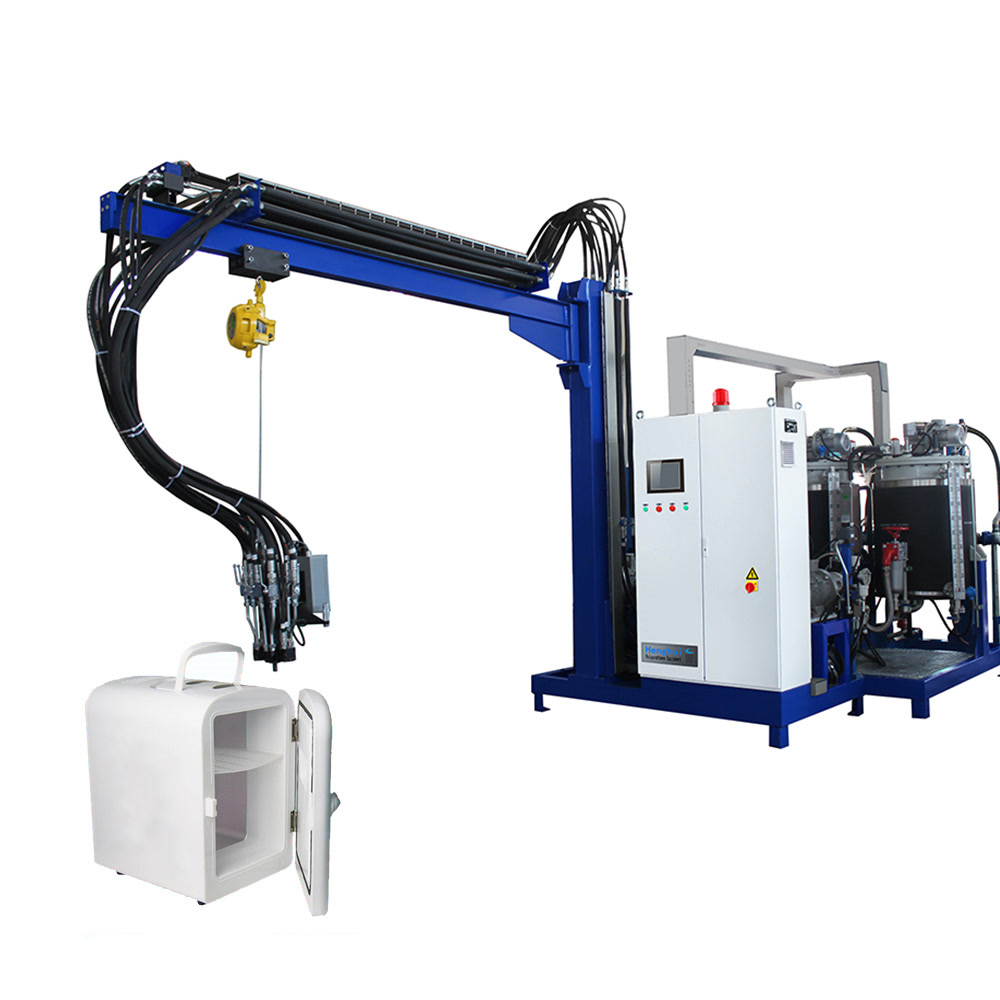
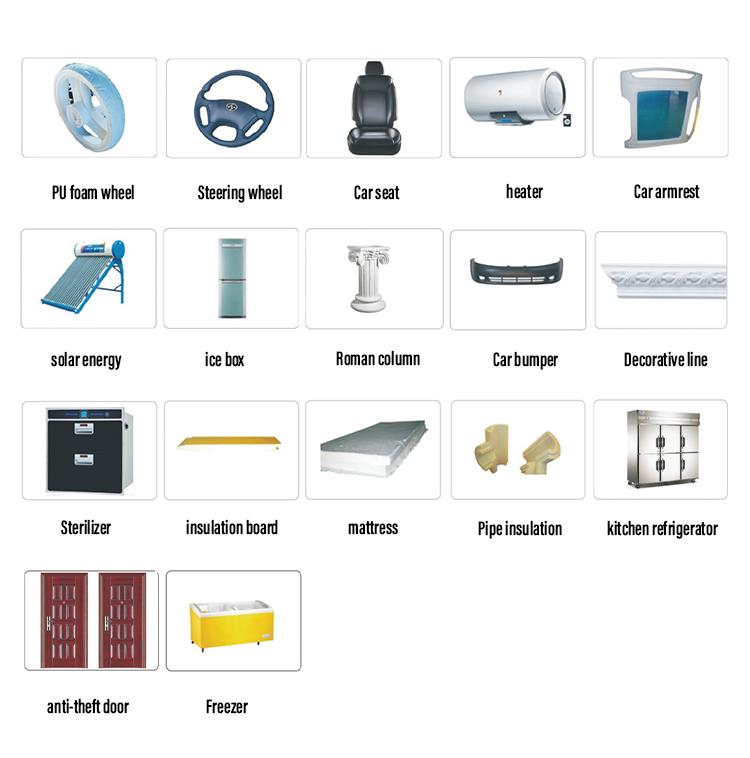
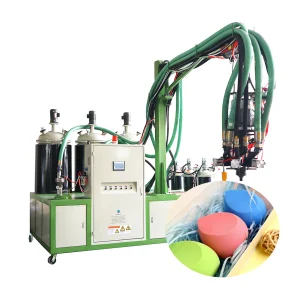
The machine is mainly used for the production of cold-cured soft foam, integral foam, molded cushioning parts, discontinuous rigid foam board, and rigid foam filling products. It is highly suitable for manufacturing rigid, semi-rigid, or soft polyurethane products such as refrigerators, freezers, vehicle seat cushions, instrument panels, insulation pipes, and building sandwich panels.
Q:What are the tank capacity and flow rate specifications for the TOS-207 model?
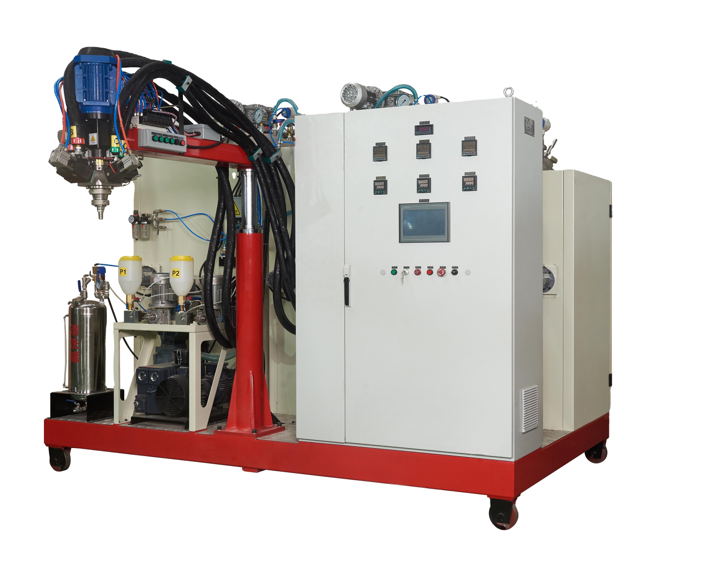
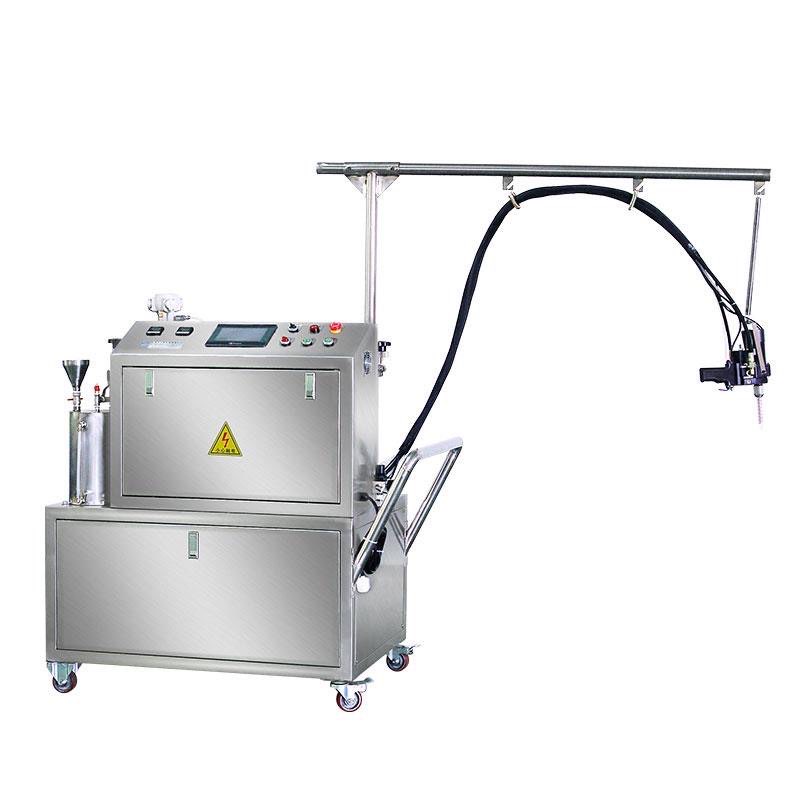
The TOS-207 model features a tank capacity of 30L and provides a flow rate ranging from 5 to 30 grams per second, utilizing a Taiwan precision gear metering pump system.
Q:How are the control and temperature systems managed in this machine?
The machine utilizes PLC control with touch screen operation. The constant temperature system features digital temperature control and automatic hot water heat preservation to maintain production stability.
 Exio Beauty